
Top Waterproofing Products for Reliable Protection
Discover the leading waterproofing solutions designed to safeguard your property from water damage effectively and efficiently.
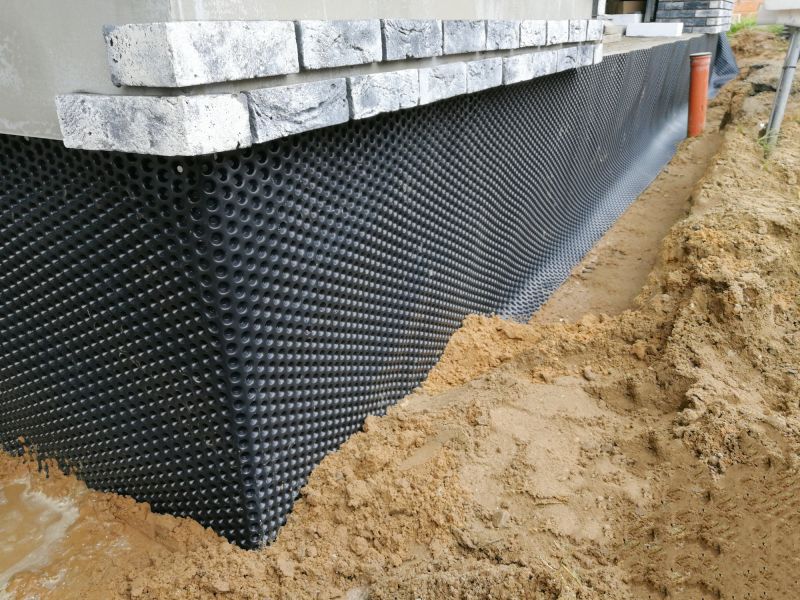 Waterproofing products are essential solutions for protecting structures, foundations, and surfaces from water intrusion and damage. They come in various forms, each designed to address specific needs such as sealing cracks, preventing seepage, or creating a moisture barrier. Proper selection and application of waterproofing materials can help maintain the integrity of buildings, basements, roofs, and other vulnerable areas.
Top Overall Option
Versatile Waterproofing Membrane System
A comprehensive waterproofing membrane system offers adaptable solutions suitable for various surfaces including foundations, roofs, and basements. Known for its ease of application and reliable barrier properties, it can be applied as a liquid coating or membrane sheet, providing a seamless and durable water-resistant layer. This type of product is often favored for its versatility and ability to conform to complex shapes, making it a preferred choice for many waterproofing projects.
Types of Products For Waterproofings
Liquid Waterproof Coatings
Applied as a liquid, these coatings cure to form a seamless, flexible barrier that adheres well to various surfaces, ideal for roofs and decks.
Sheet Membranes
Pre-formed sheets made from rubber, PVC, or other materials that are adhered or mechanically fastened to surfaces for waterproofing foundations and roofs.
Bituminous Coatings
Asphalt-based products suitable for below-grade waterproofing and roofing, providing a durable and weather-resistant barrier.
Sealants and Caulks
Flexible sealants used to fill cracks and joints, preventing water infiltration in walls, windows, and other penetrations.
Crack Fillers
Specialized compounds designed to fill and seal cracks in concrete and masonry surfaces to prevent water penetration.
Waterproofing Paints
Paints formulated with waterproofing agents that can be applied to walls and surfaces to add an extra layer of moisture resistance.
Cementitious Coatings
Ready-mixed or dry-mix cement-based products that can be applied to concrete and masonry surfaces for waterproofing and protection.
Polyurethane Sealants
High-performance sealants offering flexibility and adhesion for joints and seams in waterproofing applications.
Hydrophobic Sprays
Spray-on treatments that penetrate porous surfaces, creating a water-repellent effect without altering appearance.
Waterproofing Additives
Additives mixed into concrete or mortar to enhance water resistance during construction or repair work.
Drainage Boards
Protective panels that facilitate water drainage away from foundations, often used in conjunction with membranes.
Vapor Barriers
Materials designed to prevent moisture vapor transmission through walls and floors, especially in basements and crawl spaces.
Waterproofing Tapes
Flexible tapes used to seal joints, seams, and cracks in various waterproofing systems for added security.
Foundation Sealants
Specialized products for sealing around basement and foundation walls to prevent water ingress.
Roof Coatings
Protective coatings specifically formulated for roofing surfaces to resist water and UV damage.
Popular Choices
Flexible, easy-to-apply coatings suitable for a variety of surfaces, providing a seamless waterproof layer.
Pre-formed sheets with adhesive backing for quick installation on foundations and roofs.
High-quality sealants often used in joints and cracks to enhance waterproofing performance.
Durable asphalt-based sheets favored for below-grade waterproofing and roofing projects.
Coatings designed to be applied to walls and surfaces to provide an additional moisture barrier.
Flexible sealants that accommodate movement and prevent water seepage through joints.
Penetrating sprays that create water-repellent surfaces for masonry and concrete.
Easy-to-apply coatings suitable for concrete structures, offering a protective barrier against water.
Materials that help direct water away from foundations and walls, often used with membranes.
Effective for controlling moisture vapor transmission in basements and crawl spaces.
Flexible tapes used to reinforce joints and seams in waterproofing systems.
Protective coatings that extend roof life and resist water penetration and UV damage.
Different environments and construction types require different waterproofing approaches. For instance, basement waterproofing often involves specialized membranes or sealants that can withstand hydrostatic pressure, while roofing applications may utilize liquid coatings or membrane systems. It is important to consider the compatibility of products with existing surfaces, their durability, and ease of application.
When choosing waterproofing solutions, factors such as climate conditions, exposure to water or moisture levels, and the type of surface are critical. Some products are designed for temporary protection during construction, while others provide long-term barriers. Regular maintenance and inspection are recommended to ensure continued effectiveness, especially in areas prone to frequent water exposure. Consulting with professionals or thoroughly researching product specifications can lead to better outcomes and more reliable protection.
Overall, the right waterproofing products can significantly enhance the longevity and safety of structures, preventing costly repairs and structural issues caused by water damage. Whether for residential, commercial, or industrial purposes, understanding the variety of available products helps in making informed decisions tailored to specific needs and conditions.
Key Buying Considerations
- Identify the specific area or surface that needs waterproofing, such as basements, roofs, or walls.
- Determine whether a temporary or long-term waterproofing solution is required based on project needs.
- Assess the compatibility of the product with the existing surface material to ensure proper adhesion.
- Consider the environmental conditions, including exposure to water, humidity, and temperature fluctuations.
- Evaluate the ease of application, whether it requires professional installation or can be DIY-friendly.
- Check the product’s coverage area to ensure it meets the size requirements of your project.
- Review the drying or curing time to plan your project timeline effectively.
- Look into the durability and lifespan of the product to match your maintenance expectations.
- Examine the product’s resistance to UV rays, chemicals, or other environmental factors if relevant.
- Consider whether the product is suitable for below-grade or above-grade applications.
- Evaluate the flexibility of the waterproofing material, especially for surfaces that may experience movement.
- Check for any safety or ventilation requirements during application.
- Review manufacturer instructions and warranty details for assurance of quality and support.
- Compare costs relative to the coverage and longevity to find a cost-effective solution.
- Ensure the product complies with local building codes and standards.